What Does Mastiha Taste Like? A Complete Flavor Guide

Mastiha is one of the most distinctive flavors in the world — and one of the hardest to describe to someone who hasn't tried it. Most people reach for familiar comparisons, then quickly realize none of them quite fit.
That's actually the point. Mastiha tastes like nothing else.
Here's the most complete breakdown of what to expect.
The First Thing You Notice: The Aroma
Before mastiha even hits your palate, the aroma tells you something unusual is happening. It's bright and resinous — a clean, forest-like scent with hints of pine that somehow don't feel heavy or woodsy. There's a subtle citrus note underneath, almost like lemon zest without the tartness.
People often describe it as "the smell of a Greek island in summer" — which sounds vague until you've been to one, and then it makes complete sense.
On the Palate: Layer by Layer
First impression: Mastiha opens with a gentle sweetness — not sugary, but soft. There's an immediate brightness that wakes up the palate without any sharpness.
Mid-palate: This is where the resin character comes forward. A subtle pine note, herbal and earthy without being bitter. Some people pick up hints of fennel or fresh herbs. There's a complexity here that takes a few sips to fully register.
Finish: Mastiha has one of its most distinctive qualities in the finish — a gentle cooling sensation, similar to mint but much more subtle, that lingers after you swallow. It's refreshing rather than medicinal. The finish is long and clean.

How the Flavor Changes in Different Formats
Mastiha resin (chewed directly): Much more intense and resinous. The pine character is prominent, and there's a pleasant bitterness that softens as you chew. This is how Greeks have enjoyed it for thousands of years as a natural chewing gum.
Mastiha liqueur: Smoother and more approachable. The sweetness is more present, the pine recedes, and the citrus and herbal notes come forward. More complex than most liqueurs.
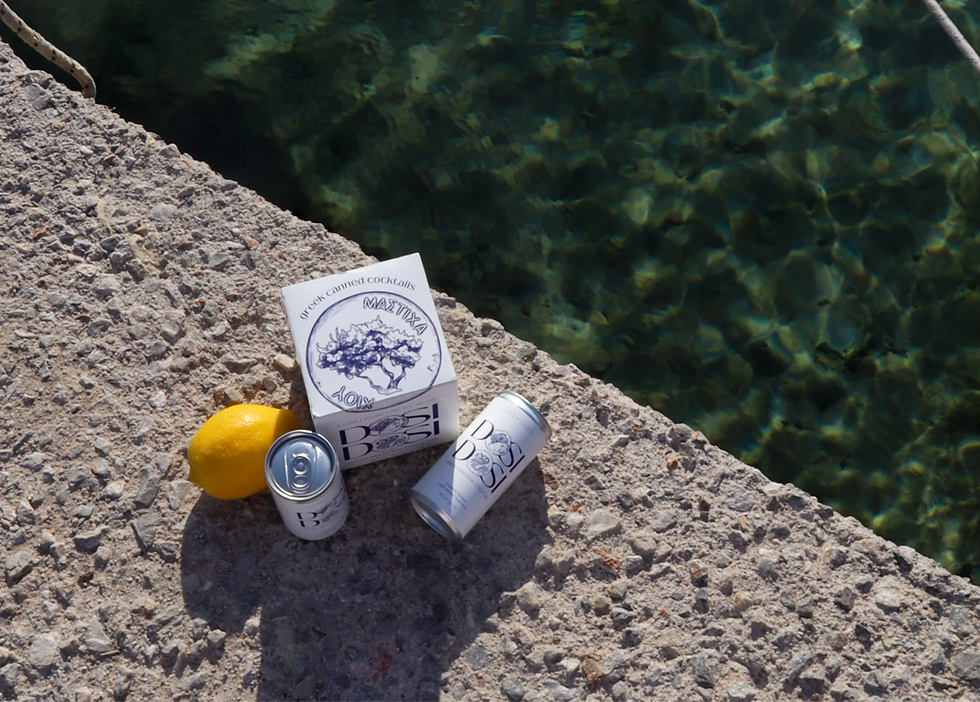
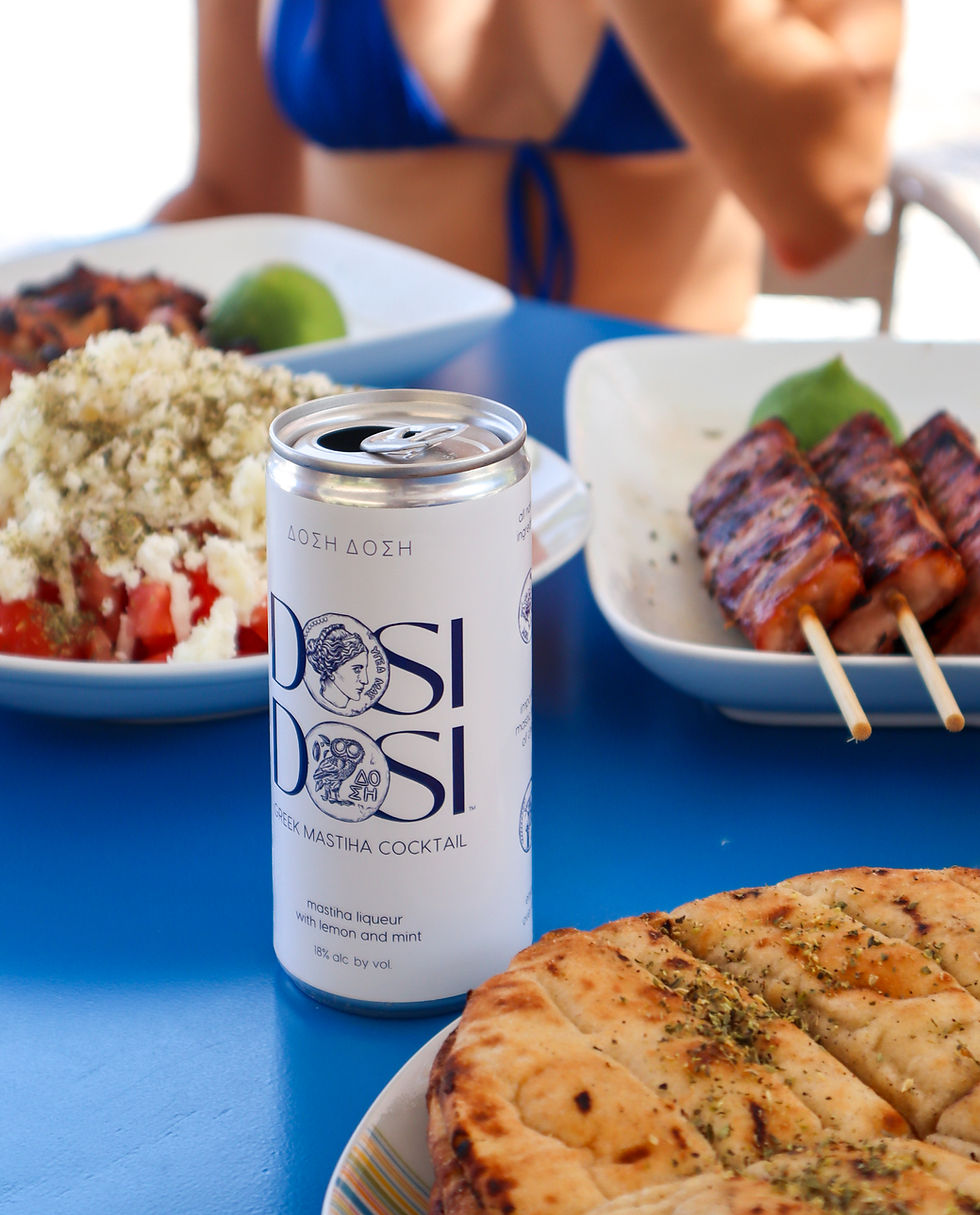
Mastiha in a cocktail: With lemon and mint — as in the Dosi Dosi Greek Mastiha Cocktail — the citrus in mastiha amplifies beautifully. The botanical character provides depth while the lemon brightens and the mint echoes mastiha's natural cooling finish. The three ingredients are almost made for each other.
On ice: As mastiha liqueur chills, the aroma opens up and the flavor becomes crisper. It's worth drinking slowly and letting the ice work.
What Mastiha Is Often Compared To
No comparison is perfect, but people often reach for these:
Pine: The closest single note, but mastiha is far lighter and more aromatic than pine resin
Fennel or anise: There's a botanical quality that reminds some people of these, but mastiha has no anise flavor — it's distinctly different from ouzo
Cardamom: A similar kind of spiced, slightly cooling botanical character
Eucalyptus: Very loosely — the cooling finish has a faint similarity, but without the medicinal edge
The honest answer is that mastiha occupies its own category. If you've tasted it, you know it immediately. If you haven't, the closest approximation is: imagine a botanical spirit that tastes like the Mediterranean smells.
What Mastiha Pairs Well With
Because of its citrus and herbal character, mastiha is exceptionally versatile:
Lemon — the most natural pairing, amplifies mastiha's citrus notes
Mint — echoes mastiha's cooling finish
Honey — softens the resin character and adds warmth
Cucumber — a clean, refreshing pairing
Ginger — adds heat that contrasts the cooling finish
Sparkling water — opens up the aroma and lightens the body

Frequently Asked Questions
Does mastiha taste like licorice or ouzo?
No. This is the most common misconception. Ouzo is anise-flavored and has a strong licorice taste. Mastiha has no anise and tastes nothing like ouzo. They are both Greek spirits but are completely different flavor profiles.
Is mastiha sweet?
Mastiha liqueur is lightly sweet, but not cloying. The sweetness is balanced by the botanical and herbal notes. It's far less sweet than most fruit liqueurs.
Is mastiha an acquired taste?
Most people enjoy it immediately. Unlike some intensely bitter or smoky spirits, mastiha is aromatic and approachable. The most common first reaction is surprise — people don't expect it to taste this good.
What is the best way to taste mastiha for the first time?
Pour over ice and sip slowly. The Dosi Dosi Greek Mastiha Cocktail — mastiha liqueur, lemon, and mint in a ready-to-drink can — is designed as an easy first introduction to the flavor. Find it at select retailers across California or ask for it at your local liquor store.
Does mastiha taste different in different products?
Yes. The quality and method of production significantly affects the flavor. PDO-certified Chios mastiha resin is the highest quality. Products made from lower-grade resin or artificial flavoring taste noticeably different.


Comments