What is Mastiha? “Tears of Chios” Explained: Uses, History & Benefits
Updated: Jul 24
Have you ever heard of mastiha (pronounced mah-stee-hah)? This unique resin, hailing from the Greek island of Chios, boasts a fascinating history and a surprising number of uses.
In this blog post, we'll delve into the world of mastiha, exploring what it is, where it comes from, and how it's used in everything from cooking to cosmetics.
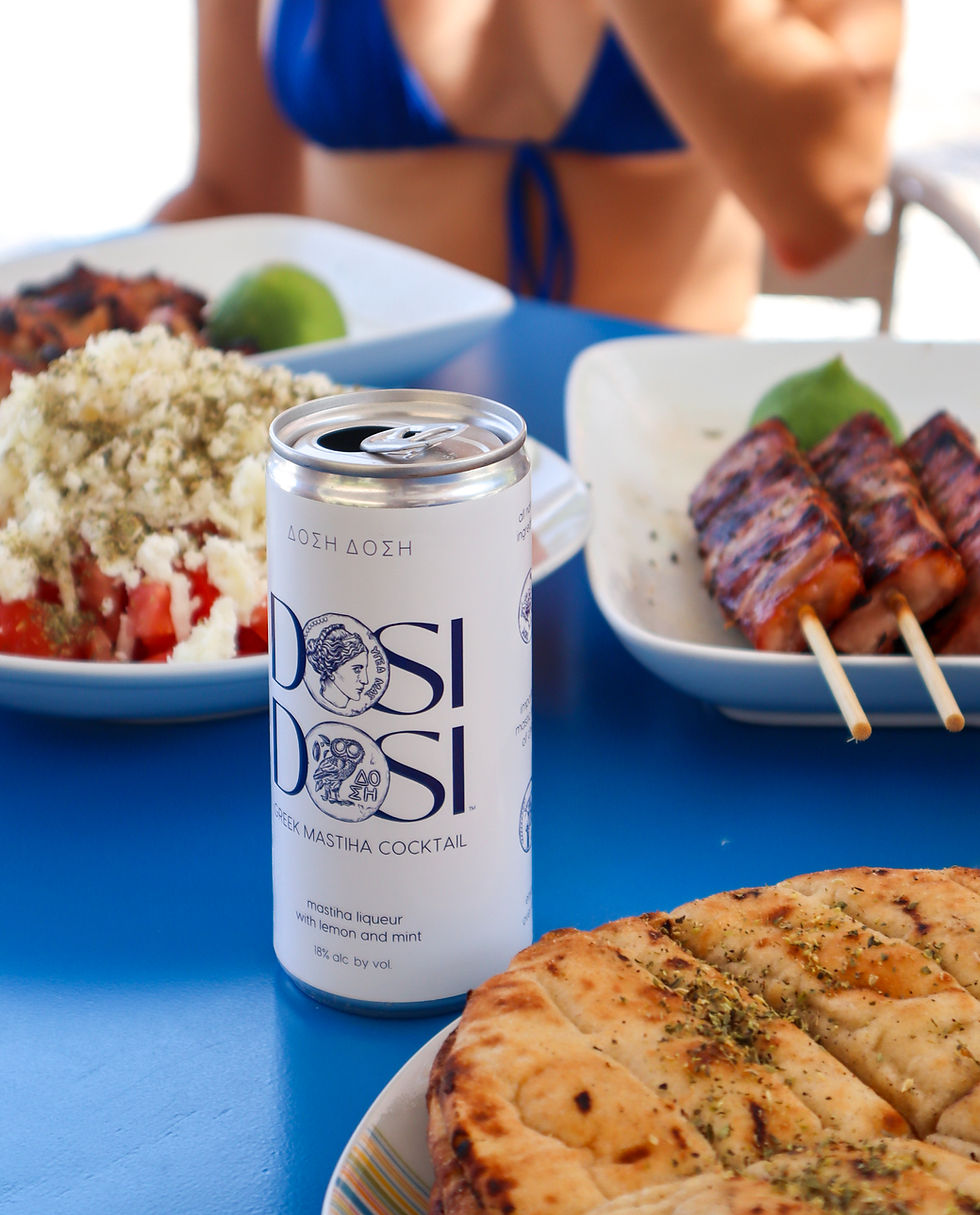
Curious what mastiha tastes like in a canned cocktail? Explore our Greek Mastiha Cocktail.

The "Tears of Chios": Unveiling Mastiha's Origins
Mastiha, also known as mastic, is a resin harvested from the mastic tree (Pistacia lentiscus var. Chia), which grows exclusively on the Greek island of Chios. This natural resin has been prized since ancient times for its distinct aroma, flavor, and myriad of uses. The cultivation of Mastiha dates back over 2,500 years, making it one of the oldest documented cultivated products in the world.
When the bark of specific mastic trees on the island of Chios is gently scratched, a precious sap emerges. This sap hardens into small, teardrop-shaped crystals – the essence of mastiha, sometimes referred to as "tears of Chios" due to its origin story. Interestingly, while the mastic tree grows throughout the Mediterranean, only Chios Mastiha boasts the coveted Protected Designation of Origin (PDO) status within the European Union. This PDO status ensures the highest quality and authenticity of this treasured product, thanks to Chios' unique growing conditions and time-honored harvesting techniques.
Cultivating mastiha is a year-round process. In late June or early July, the area around the trees is meticulously cleared and prepared. Skilled growers then use special tools to make shallow incisions on the tree trunks, coaxing out the precious resin. The mastiha sap hardens over several weeks, transforming into the fragrant crystals collected by hand. This meticulous process, passed down through generations, is a testament to the dedication of Chios' mastic growers and a key factor contributing to Chios Mastiha's PDO status.
This is the same PDO-certified mastiha we use in our cocktails, crafted to bring a true taste of Chios into every can. Curious what mastiha actually tastes like? Read our full flavor guide here.
A Legacy Spanning Millennia: The History of Mastiha
For millennia, this precious resin has been prized for its distinct aroma, flavor, and purported medicinal properties, revered by ancient Greeks, Egyptians, and Romans alike. Evidence of its use stretches back millennia, with records from Hippocrates' time highlighting its health benefits.
A Cornerstone of Greek Culture and Commerce
Chios Mastiha's influence extends far beyond its unique taste and aroma. Throughout the centuries, it has played a significant role in shaping Greek culture and commerce. The Ottoman Empire even imposed a tax on its production, a testament to its economic importance. Today, Chios Mastiha remains a vital part of the island's identity, with skilled mastic growers continuing traditional harvesting methods passed down through generations.
Want to try mastiha? Our Greek Mastiha Cocktail is designed to be poured over ice and enjoyed like a bar-quality drink. Shop Dosi Dosi in stores and online.
Beyond Flavor: Modern Applications of Mastiha
Mastiha's significance extends far beyond its unique flavor profile and relative rarity. Here's a glimpse into why this resin holds such importance:
Culinary Delights: Mastiha is increasingly popular in the culinary world, where its unique flavor adds depth and complexity to both sweet and savory dishes. From gourmet desserts like ice cream, pastries, and chocolates to savory recipes such as marinades, sauces, and even meat dishes, Mastiha's aromatic profile with hints of pine, citrus, and earthiness enhances the overall taste experience.
Mixology and Beverages: Bartenders and mixologists have embraced Mastiha as a versatile ingredient in crafting cocktails and beverages. Its distinctive flavor lends itself well to a variety of concoctions, from refreshing cocktails to non-alcoholic mocktails, providing a sophisticated and exotic twist to traditional drinks.
Health and Wellness: Mastiha is renowned for its potential health benefits, particularly in digestive health and oral care. Its anti-inflammatory and antimicrobial properties make it beneficial for soothing digestive discomfort, promoting gut health, and potentially reducing the risk of oral infections and gum disease. Additionally, mastiha is being explored for its potential in the pharmaceutical industry, with research investigating its therapeutic benefits for conditions like ulcers, respiratory issues, and even cancer.
Skincare and Cosmetics: Mastiha's natural astringent, anti-inflammatory, and antioxidant properties make it a prized ingredient in skincare and cosmetics. It is used in a variety of beauty products, including facial cleansers, toners, masks, serums, and creams, to promote skin health, reduce inflammation, tighten pores, and combat signs of aging. Mastiha-infused cosmetics are valued for their ability to soothe irritation, protect against environmental stressors, and improve overall skin texture and appearance.
Research and Innovation: In addition to its traditional uses, Mastiha continues to be the subject of scientific research and innovation. Scientists are exploring its potential applications in areas such as food preservation, antimicrobial agents, drug delivery systems, and biomedical engineering, unlocking new possibilities for harnessing its unique properties in diverse fields.

Frequently Asked Questions About Mastiha
What does mastiha taste like?
Mastiha has a distinctive flavor profile unlike anything else — think fresh pine resin, subtle citrus, and a slightly earthy, herbal finish. It starts bright and aromatic, then mellows into a clean, slightly sweet aftertaste. Many people describe it as refreshing and surprisingly light. In our Dosi Dosi cocktail, we pair it with lemon and mint, which brings out the bright, citrusy side of the resin.
What is the difference between mastiha and mastic?
They're the same thing. "Mastiha" is the Greek name, while "mastic" is the English translation. Both refer to the natural resin harvested from the mastic tree on the island of Chios, Greece.
Can you chew mastiha?
Yes — in fact, mastiha is one of the world's oldest natural chewing gums. Chewing the crystallized resin softens it into a gum-like consistency with a pleasant, piney aroma. It's been chewed throughout the Mediterranean for thousands of years, long before modern chewing gum existed.
What are the health benefits of mastiha?
Mastiha has been studied for a range of potential health benefits, including supporting digestive health, reducing stomach discomfort, promoting oral health due to its antimicrobial properties, and acting as an anti-inflammatory agent. Research has also explored its potential in managing ulcers and supporting gut microbiome health. While it's not a medicine, it has a remarkably long history of therapeutic use dating back to Hippocrates.
Is Chios mastiha the only "real" mastiha?
Effectively, yes. While the mastic tree (Pistacia lentiscus) grows throughout the Mediterranean, only the trees in southern Chios produce the resin in meaningful quantities — a phenomenon attributed to Chios' unique soil and microclimate. This is why Chios Mastiha holds Protected Designation of Origin (PDO) status from the European Union, the same certification held by products like Champagne and Parmigiano-Reggiano.
How is mastiha harvested?
Mastiha is harvested through a careful, labor-intensive process. Growers clear the ground around each tree, then use special tools to make shallow cuts in the bark. The sap that seeps out slowly hardens into small, teardrop-shaped crystals over several weeks. These crystals are then collected by hand — a method that has remained largely unchanged for over 2,500 years.
Where can I buy mastiha?
Mastiha is available in several forms: as raw crystals, mastiha liqueur, mastiha-flavored foods, and beauty products. If you want to taste it in a cocktail without making one yourself, the easiest way is to try Dosi Dosi — the first Greek canned cocktail made with PDO-certified Chios mastiha liqueur, available in stores and online.
What cocktails can be made with mastiha?
Mastiha liqueur is a versatile cocktail ingredient — it works well in spritzes, sours, and Mediterranean-inspired drinks. Classic combinations include mastiha with lemon, mint, tonic, or cucumber. Our Dosi Dosi cocktail blends mastiha liqueur with lemon and mint in a ready-to-drink 200ml can at 18% ABV, so it pours two bar-quality cocktails over ice.
Is mastiha vegan?
Yes. Mastiha is a plant-derived resin — no animal products are involved in its production.
Why is mastiha so expensive?
The cost comes down to two things: exclusivity and labor. Mastiha can only be produced in southern Chios, making global supply limited. The harvesting process is entirely done by hand and spans the entire growing season, making it one of the more time-intensive agricultural products in the world. That rarity and craft is part of what makes it so prized.


Comments